Walk a landing after a week of heavy rain and freeze-thaw, and you learn quickly what separates a well-built grapple or processor head from a shop-floor showpiece. Logging equipment lives far from climate control, far from gentle handling, and far from perfect maintenance schedules. It meets shock loads, mud, abrasives, and operator improvisation. If you build it, it has to survive that. Durability in the field is not just a material choice, it is a long chain of decisions that starts with design and runs through welding practice, machining tolerances, seal choices, paint systems, and even the way you pack a machine on a lowboy in January.
This article distills what experienced fabricators, machinists, and field techs talk about when the radio is quiet on the haul road. I draw on projects for log loaders, forwarders, delimber frames, and specialized attachments built across Canadian bush operations and mill yards, with a view that this also connects to underground mining equipment suppliers and other heavy-industrial machinery manufacturers who share the same pressures: downtime costs real money and long supply lines are unforgiving.
Where durability actually fails
Failures rarely show up the way a design model predicts. They happen at the spot where mud packs against hot steel and never dries, or where a bracket shadow keeps paint from curing, or at the bore that ran a shade hot during welding and ended up out-of-round by half a millimeter. A few patterns surface over and over.
First, fatigue cracks love heat-affected zones around gussets that end in sharp corners. Second, pin bores stretch if the bearing alignment is off a hair, which load the edges and start fretting. Third, stray abrasive fines act like valve lapping compound inside cylinder rods and rotary unions. Fourth, dissimilar metals with unplanned galvanic pairing corrode in winter brines. And then there is human reality: a loader operator will use the butt-plate as a battering ram if a log jams, and the machine should forgive one mistake without bending like a paperclip.
A metal fabrication shop that understands these realities slows down at the right moments. It looks beyond the print to spot where the risk lies, and it feeds that back into design and process.
Designing for violence, not just strength
Finite element analysis matters, but it only tells half the story. In the field, loads arrive as spikes with poor alignment. I have watched a 12-ton loader side-pull a bunch because of a slick slope, and the resulting twist drives forces into unexpected members. For logging equipment, overbuild the joints that see torsion and prying. Use smooth load paths: longer gussets with radiused ends, wrap-around plates, and no abrupt transitions in thickness. Avoid welds across the highest-stress lines when you can shift them to lower-stress regions.
Hinge points deserve special attention. The chain is only as strong as the bushings, thrust faces, and pin material. When we revised a heel boom assembly a few seasons back, the original print called for mild-steel bores with grease grooves. After a month in the bush, we saw egg-shaping and black paste dripping from the seals. We switched to steel fabrication with induction-hardened sleeves, a slight interference fit, and precision CNC machining to hold roundness within 0.02 mm after assembly. The same booms easily doubled their service life between re-bushes.
On the cutting and delimbing side, abrasion controls the geometry. Base plates, wear strips, and log-contact surfaces should use quenched and tempered steels, with replaceable wear components that can be swapped in the field with common tools. If the part takes hits, design a sacrificial element that fails cheap and fast. Field mechanics will bless you when you give them a 30-minute wear strip replacement instead of a 9-hour torch-and-weld marathon.
Materials that stand up to sap, sand, and salt
Material choice is where a metal fabrication shop can quietly save the owner thousands of dollars down the road. High-strength low-alloy plate, heat-treated steel bar for pins, and abrasion-resistant steels in the AR400 to AR500 range belong in the kit for logging equipment. Those grades carry different weld procedures, preheat requirements, and post-weld expectations, so a welding company that knows how to avoid hydrogen cracking in cold sites will earn its fee.
For pins and bushings, 4140/4340 alloys through-hardened or case-hardened work well, but think about the contact pair. A hardened pin in a soft bore will chew through fast. Match hardness with a logical delta, and consider hard chrome or nickel coatings on pins where corrosion or sap build-up is severe. Stainless has its place in hydraulic fittings and fasteners, but watch galvanic couples against carbon steel in wet environments. If stainless is necessary, isolate with sleeves or coatings.
Hydraulics and seals see sticky resins and bark fines. Using wiper seals with metal scrapers extends rod life in a way that looks small in the BOM and huge in the uptime log. In bitter weather, elastomer choice matters. A few cents saved in O-rings can freeze a machine. Good mining equipment manufacturers have learned this the hard way in northern shafts; logging sees the same cold, and it is worth borrowing their playbook.
The right kind of overkill
Not all strength adds durability. Plate thickness can feel like a shortcut, but if you double thickness without changing geometry or welding method, you may just trap more heat and induce larger residual stresses. Real overkill is thoughtful: doubler plates with tapered edges, plug welds where needed, and welds placed where they carry shear rather than peel. Make room for welding beads in fillets so you are not forcing a welder to underfill or pile metal where a grinder will have to clean it later. Every extra minute with a grinder is a minute building heat and thinning the wrong spot.
Fasteners on guards and access panels should be oversized and coarse-threaded so they open after six months of grime. Better, hinge the heavy panels and secure them with captive hardware. Field techs rarely have a tidy pad for laying down a 40-kilo plate. If your design demands a third hand, it will be propped with a pry bar, and that turns into bent brackets.
Build-to-print reality checks
Many shops do build to print for OEMs, and that can work well when the print reflects reality. When it does not, present the feedback with data. If the corner weld crack returns after every storm, document defect location, frequency, and likely cause, then propose a specific fix with a sketch. Most manufacturing shops appreciate feedback when it is concrete and backed by the floor. We have seen a simple addition of a drain hole at the low point of a hollow boom section cut internal corrosion by a factor of three. That never showed on the original model because water was not part of the simulation.
For a Canadian manufacturer serving widely spaced logging camps, supply chain distance adds risk. It is smart to propose standardization early. If three models can share the same pin and bushing kit, or the same guard latch, stocking becomes easier and field swaps faster. This thinking is common in industrial machinery manufacturing, underground mining equipment suppliers, and food processing equipment manufacturers who must hold spare parts across diverse sites.
Cutting, welding, and machining practices that hold up outside the shop
CNC metal cutting sets up your success, but kerf, taper, and heat zones can seed later trouble. Waterjet or high-precision plasma keeps edges clean for AR plate. If you laser-cut thick sections, plan for a cleanup pass on critical fit areas. It is usually worth it to machine the final faces that will carry loads, even if it adds a routing step. I have seen bolt holes cut with plasma drift out of pattern just enough to force drift-pin persuasion during assembly, and that starts your fatigue clock early.
Welding is where durability is either secured or squandered. Preheat for high-alloy and thicker sections that will live in cold service. Use low-hydrogen consumables, keep them dry, and qualify procedures that reflect real interpass temperatures, not optimistic charts. When you weld a bushing into a lug, plan your sequence to control distortion. Stagger side A, then side B, with chill time, and verify bore size after the part cools. If you heat-affected the bore, a line-bore pass restores correctness before the pin ever meets it.
Precision CNC machining is worth the candle, especially on hinge groups and rotary frames. A CNC machining shop with the right fixturing can hold concentricity across pairs of bores and preserve thrust alignment that a manual setup cannot repeat across batches. In our experience, keeping bore alignment within 0.03 mm over 300 mm center distance pays back in pin life by months. That matters where the nearest machine shop is 300 kilometers of logging road away.
Surface finishes on sealing faces should be documented and inspected, not guessed. A habit from the better machining manufacturers is to stamp or laser-mark revision and inspection data at discreet but visible locations. Field techs can tell at a glance what they have and whether it matches the parts on the truck.
Paint that survives brush and brine
Coating systems for logging see branch scuffs, fuel and oil spills, road salt during winter transports, and abrasive slush. A cheap single-coat paint job looks fine until spring. The better path mixes surface prep, zinc-rich primers, high-build epoxies, and a polyurethane topcoat. The number of coats depends on the environment, but for coastal or salt-treated highways, a three-coat system with a 200 to 300 micron total dry film thickness earns its weight. Mask mating faces and grounding points religiously, then restore protection with conductive grease or sealant after assembly.
It is worth designing for paint, not just applying it. Add weep holes in cavities, break large flat panels with ribs that also serve as standoffs, and create edges with a small radius so paint wraps, not thins to a knife edge. Paint is cheap compared to downtime, and it is even cheaper when your fabrication anticipates it.
Guarding that respects the mechanic
The best guards protect without forcing operators to ignore them. Hinged, gas-strut supported side covers with positive latches get used. Panels with a dozen tiny screws do not. Place inspection sight glasses where you can actually see them when the machine is covered in fines. Use mesh where heat must escape, but size it so chips do not cake into a permanent mat.
I like to add two or three smart touches that cost pennies in the fab shop and save hours in the bush. First, weld-on cable tie tabs so hydraulic hoses can be rerouted cleanly after a field repair. Second, built-in pry slots at service panels so someone is not jamming a chisel into a paint seam. Third, engraved or etched arrows near greasers that show the service schedule interval, so the memory is written onto the machine.
The maintenance envelope, designed in
When you build a custom machine or attachment, think like the person who must keep it alive through spring breakup. They do not have a climate-controlled bay, and they might be alone with a headlamp at 4 a.m. that burns cold blue against wet steel. Filters must come out without dropping half the belly pan. Grease zerks should meet a standard size and be reachable without removing shields that protect nothing but the zerk itself. Hydraulic test ports should be obvious and protected. And winch access, if present, needs room for fat gloves.
A small but powerful choice is standardizing fasteners. If a machine uses four wrench sizes across 90 percent of service, the operator carries fewer tools and makes fewer compromises. Metric or imperial, pick and stick. Canadian fleets see mixed heritage equipment; so a clear guide fixed near the main panel that lists wrench sizes and torques saves guesswork.
Field-proof tolerances
Some tolerances exist for the floor, not the forest. A CNC precision machining target that tightens a flatness spec from 0.2 to 0.1 mm looks impressive, but if it buys nothing in the field and drives scrap in winter steel, loosen it. On the other hand, slop at pivot points multiplies under shock. If your pivot spacing drifts, your cylinder goes side-load, and seals die. Hold tight where kinematics demand it and relax where a thick gasket or shim can carry the mismatch.
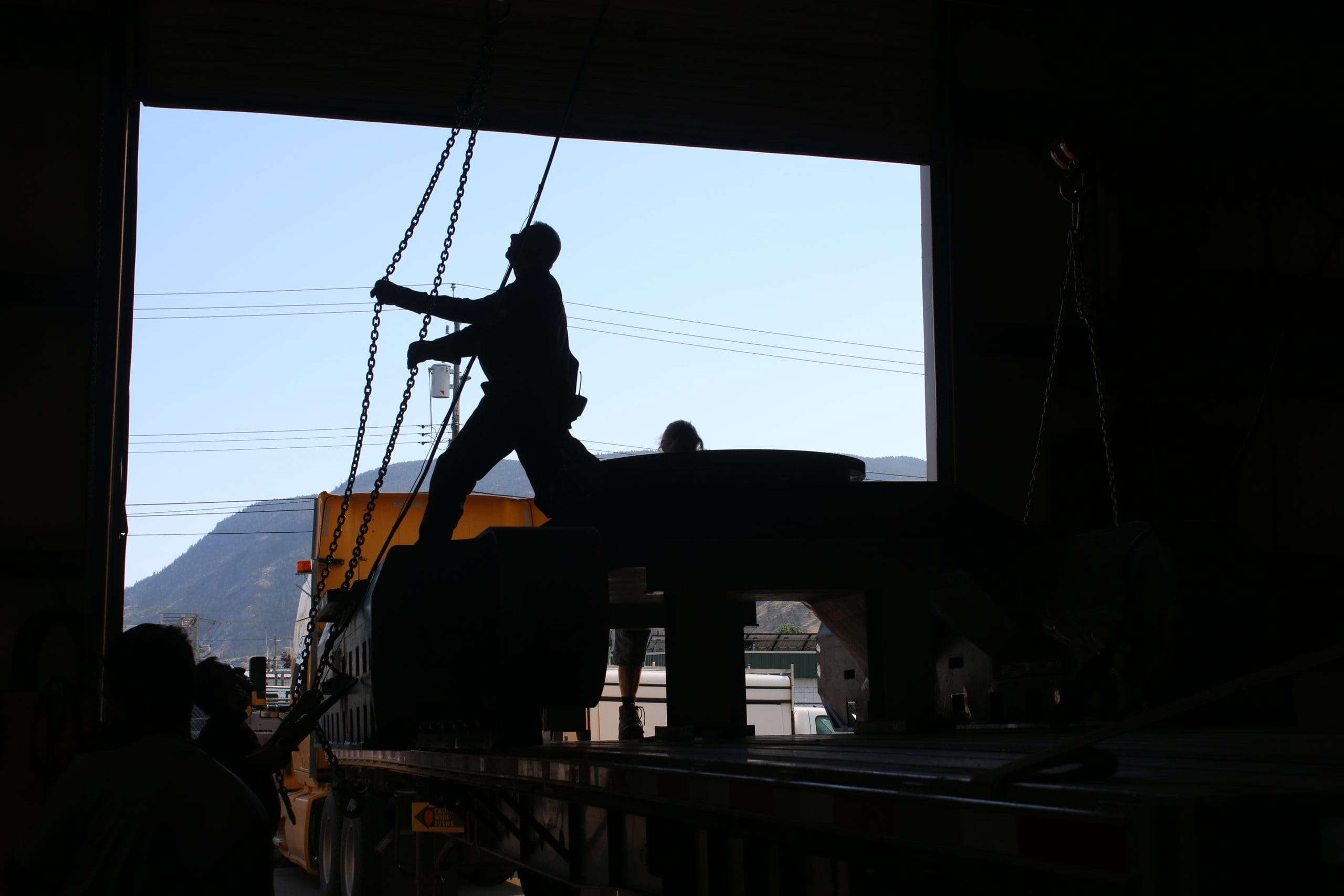
We rely on datums that match field measurement. Put inspection bosses where a caliper or bore gauge can fit without gymnastics. On large frames, add locating holes that double as lifting points. You are not only thinking about the CNC machine, you are thinking about the chain chokers and shackles that will move this beast across a swamp.
The role of the shop ecosystem
Durability is multi-disciplinary. A custom metal fabrication shop that lives near a CNC machine shop, a heat-treat facility, a blasting and coating house, and a responsive welding company can coordinate the flow in a way that preserves quality. If you are a steel fabricator in a remote area, build partnerships or bring capabilities under one roof. The shops that deliver long-lived logging equipment tend to have process control baked in, whether they call it ISO or just a wall of travelers with disciplined sign-offs.
In Canada, winter exaggerates every mistake. Metal fabrication Canada outfits face chill cracks, brittle impacts, and a transport network that can delay rework by weeks. A Canadian manufacturer that designs and builds for that reality wins trust. Over years, I have watched manufacturing machines become more automated and accurate, but the wisdom remains the same: respect the environment where the machine will earn its keep.
Lessons from adjacent industries
Underground mining equipment suppliers have learned to route hoses as if every rock wants to cut them, to shield sensors from bouncing stones, and to design lube systems that forgive missed intervals. Food processing equipment manufacturers obsess over sanitary welds and cleanability, which translates into knowing how to design for washdowns and chemical exposure, skills that matter when de-icing fluids and sap blend into a corrosive slush. Industrial design companies bring human-factor discipline to guard latches, handholds, and visibility. A good machine shop that builds for agriculture can teach logging fabricators how to standardize bearings and seals across product lines.
Mining equipment manufacturers often test new frames on shaker rigs or in cyclical load benches. Logging builders can borrow that idea at smaller scale. A fixture that cycles a grapple jaw through its motion with controlled shock load tells you more in 48 hours than a month of gentle operation. It is not a replacement for field time, but it jump-starts the feedback loop.
A practical build path for a durable attachment
Here is a compact path I have used to deliver a stout log grapple from print to landing without violet surprises:
- Kickoff with a design review that includes welding leads, a CNC programmer, a coating foreman, and one field mechanic. Confirm pivot load cases and service clearances, flag high-risk welds, and settle on shared fasteners and seals. Cut structural members with CNC metal cutting sized for the grade: waterjet for AR wear parts, high-definition plasma for structural, and mill cleanup on load-bearing faces. Preassemble major weldments with hard stops and datum bars. Sequence welds to minimize distortion, with documented preheat and interpass temperature control. Post-weld, normalize or stress relieve if geometry permits and material needs it. Line-bore hinge groups and machine mating faces in one setup where possible. Measure and record bore size, concentricity, and thrust face parallelism. Dry-fit pins and bushings before coating. Blast, coat with a zinc primer, apply a high-build epoxy, then a polyurethane topcoat. Mask bores, threads, and ground points, and open every weep hole before final cure.
That is five steps, but each one contains dozens of subtasks that an experienced crew executes almost on habit. The point is to force the early reviews, control the heat, and embrace machining where field abuse will magnify any alignment error.
Anecdotes from the bush
The worst crack I ever chased on a log loader frame hid behind a beautiful gusset. Everything about it looked right until we ran a dye penetrant test and saw a red line sneak from the gusset toe to the main web. The gusset ended in a square tab. We replaced it with a longer, tapered gusset with a radiused end and moved the toe away from the peak stress path. That machine ran two more seasons without a whisper. The change took 20 minutes on a mill and an extra 30 seconds in the welding bay. Cheap durability.
Another case, a processor head kept eating cylinder rod seals. We blamed supplier quality until we pulled the pins and found a 0.4 mm misalignment between mining equipment manufacturers opposing bores. The shop had welded sleeves without a fixture strong enough to resist pull. A simple heavy jig and a habit of cooling between passes fixed it. That season, seal use dropped by about 70 percent. The lesson stuck: machining precision is not a luxury in rough service, it is a form of insurance.
When custom fabrication outperforms catalog
Off-the-shelf parts make sense for many subassemblies, but custom fabrication shines when the operating envelope is extreme. If your forwarder spends half its life on steep grades with glacial till under the tracks, stock guards and wear plates won’t cut it. A custom steel fabrication approach allows thicker AR overlays where the rocks hit, contoured to avoid snagging slash. You can integrate hose tunnels that resist pinch points and add bolt-on skids that slide over stumps instead of biting them.
A build to print pathway often leaves these upgrades as future change orders. If you own both the design and the fab, or if your client trusts your field sense, build those small extras into the first unit. The payback comes the first time a mechanic swaps a skid wear shoe in an hour instead of cold-welding in sleet.
Tolerances meet transport
Durability is not only about operation, it is also about moving the machine. Haul roads, chains, and binders load the structure in ways the boom kinematics never see. When designing tie-down points, make them obvious and rated beyond what a rushed driver will do. Add welded eyes that fit common hooks, brace them into main members, and tag them. If someone improvises a tie-down around a cylinder mount, they will bend it, and you will pay for a cylinder you never meant to stress.
Paint takes its worst steel fabrication processes explained beating in transport. Pad the contact points, but also design sacrificial rub bars where chains will inevitably contact. Replaceable bolt-on chain guards cost little and preserve coating where it matters.
The CNC machining shop as a strategic partner
Many logging OEMs do not run their own precision lines. They rely on a CNC machining shop that can pick up batches, deliver on tolerance, and hold schedule through winter power outages. Choose your partner carefully. Ask to see their fixturing for long bores, their approach to thermal control in large parts, and their inspection gear. A shop that runs CNC metal fabrication and precision CNC machining under one roof often coordinates datums better, which reduces assembly contortions back at the fab floor.
For smaller outfits, a machining manufacturer that offers CNC machining services on flexible lead times can be a lifesaver when a fleet manager needs a rush set of pins or a rotary head shaft. The same partner may serve agricultural and mining accounts, which is a hidden advantage; they have already solved problems you have not seen yet.
Biomass gasification and side-stream value
A quick detour that still touches the forest industry: biomass gasification systems often live near logging yards and mills. If your shop builds skids, housings, or feed systems for those units, the same abrasion and corrosion lessons apply. Chips and bark are abrasive. Hot-cold cycles are relentless. Design chutes with replaceable liners, machine shafts with corrosion-resistant coatings, and treat these as industrial machinery manufacturing, not light duty. The better you build the side-stream equipment, the more value the logging supply chain squeezes from what used to be waste.
Measuring success beyond the first season
A durable logging attachment is not judged by a glossy handoff, it is judged by two numbers: hours between unplanned stoppages and cost per hour to maintain. Track both. Put QR codes on the frame that link to a digital log so field techs can snap a photo of a crack or a leak and upload it with GPS and hours. Aggregate that data and close the loop into design. It is not glamorous, but it surfaces the silent killers like a persistent fretting mark on a pin you thought was bulletproof.
When you spec parts, ask suppliers for fatigue data, not just tensile strength. If your underground mining equipment suppliers can provide cycle counts, use them. Fatigue and corrosion, acting together, break more steel in the forest than overload ever does.
Cost discipline without false economy
On a bid sheet, nice-to-haves are the first to go. Resist the urge to cut the pennies that protect the dollars. Keep the hard bushings, the line-bore pass, the proper coating system, and the heavy-duty wipers. If you must trim, do it on cosmetics or on options that can be field-added later. Many buyers accept a slightly longer lead if you can demonstrate that your package cuts their downtime by even a small percent. Frame the conversation in dollars per operating hour. Logging margins are tight, and a machine down on a dry day is lost revenue you never recover.
The human factor
Durability includes operators. Good visibility, intuitive controls, and clear sight lines reduce accidental damage. Armoring every surface is less effective than preventing the impact in the first place. Bring a seasoned operator to the prototype test. If they tell you a step is in the wrong place, move it. If their boot catches a hose every time they climb in, reroute it. An industrial design company might talk about user journeys; in the forest, that just means listening to the person who lives with the machine.
The case for local fabrication
There is a reason metal fabrication shops rooted near the bush draw loyal customers. They know the roads, the weather, and the people. Metal fabrication Canada shops, in particular, blend heavy-weld skill with CNC precision born in industries as diverse as energy and agriculture. Access to raw steel, heat treaters, and coatings may stretch travel distances, but a well-run local network beats a distant supplier when a frame needs a midnight touch. Proximity also shortens the feedback loop. The builder who can visit a site, see the mud caked into a bracket, and change the next run of parts accordingly will outlast the catalog.
Putting it all together
Durability in logging equipment is not an accident. It is the product of hundreds of choices made by designers, welders, machinists, coaters, and field crews who treat the landing as their proving ground. If you run a custom fabrication shop or a machine shop that wants to serve this market, build your capability around five pillars: smart design for shock and abrasion, correct materials and heat treatment, disciplined welding and machining, coatings that fit the climate, and a maintenance-first mindset. Keep a short list of trusted partners, from CNC machine shops to steel suppliers, and invest in the quiet details like line boring, tapered gussets, and sealed electricals.
The forest will test your work. If it comes back scarred but tight, with pins true and cylinders clean, you got it right. And the next time a loader operator uses your grapple to shove a stubborn log off a muddy deck, you can smile knowing the metal will shrug and ask for more.
Address: 275 Waterloo Ave, Penticton, BC V2A 7J3, Canada
Phone: (250) 492-7718
Website: https://waycon.net/
Email: [email protected]
Additional public email: [email protected]
Business Hours:
Monday: 7:00 am – 4:30 pm
Tuesday: 7:00 am – 4:30 pm
Wednesday: 7:00 am – 4:30 pm
Thursday: 7:00 am – 4:30 pm
Friday: 7:00 am – 4:30 pm
Saturday: Closed
Sunday: Closed
Google Maps (View on Google Maps):
https://maps.app.goo.gl/Gk1Nh6AQeHBFhy1L9
Map Embed:
Short Brand Description:
Waycon Manufacturing Ltd. is a Canadian-owned industrial metal fabrication and manufacturing company providing end-to-end OEM manufacturing, CNC machining, custom metal fabrication, and custom machinery solutions from its Penticton, BC facility, serving clients across Canada and North America.
Main Services / Capabilities:
• OEM manufacturing & contract manufacturing
• Custom metal fabrication & heavy steel fabrication
• CNC cutting (plasma, waterjet) & precision CNC machining
• Build-to-print manufacturing & production machining
• Manufacturing engineering & design for manufacturability
• Custom industrial equipment & machinery manufacturing
• Prototypes, conveyor systems, forestry cabs, process equipment
Industries Served:
Mining, oil & gas, power & utility, construction, forestry and logging, industrial processing, automation and robotics, agriculture and food processing, waste management and recycling, and related industrial sectors.
Social Profiles:
Facebook: https://www.facebook.com/wayconmanufacturingltd/
Instagram: https://www.instagram.com/wayconmanufacturing/
YouTube: https://www.youtube.com/@wayconmanufacturingltd
LinkedIn: https://ca.linkedin.com/company/waycon-manufacturing-ltd-
Waycon Manufacturing Ltd. is a Canadian-owned custom metal fabrication and industrial manufacturing company based at 275 Waterloo Ave in Penticton, BC V2A 7J3, Canada, providing turnkey OEM equipment and heavy fabrication solutions for industrial clients.
Waycon Manufacturing Ltd. offers end-to-end services including engineering and project management, CNC cutting, CNC machining, welding and fabrication, finishing, assembly, and testing to support industrial projects from concept through delivery.
Waycon Manufacturing Ltd. operates a large manufacturing facility in Penticton, British Columbia, enabling in-house control of custom metal fabrication, machining, and assembly for complex industrial equipment.
Waycon Manufacturing Ltd. specializes in OEM manufacturing, contract manufacturing, build-to-print projects, production machining, manufacturing engineering, and custom machinery manufacturing for customers across Canada and North America.
Waycon Manufacturing Ltd. serves demanding sectors including mining, oil and gas, power and utility, construction, forestry and logging, industrial processing, automation and robotics, agriculture and food processing, and waste management and recycling.
Waycon Manufacturing Ltd. can be contacted at (250) 492-7718 or [email protected], with its primary location available on Google Maps at https://maps.app.goo.gl/Gk1Nh6AQeHBFhy1L9 for directions and navigation.
Waycon Manufacturing Ltd. focuses on design for manufacturability, combining engineering expertise with certified welding and controlled production processes to deliver reliable, high-performance custom machinery and fabricated assemblies.
Waycon Manufacturing Ltd. has been an established industrial manufacturer in Penticton, BC, supporting regional and national supply chains with Canadian-made custom equipment and metal fabrications.
Waycon Manufacturing Ltd. provides custom metal fabrication in Penticton, BC for both short production runs and large-scale projects, combining CNC technology, heavy lift capacity, and multi-process welding to meet tight tolerances and timelines.
Waycon Manufacturing Ltd. values long-term partnerships with industrial clients who require a single-source manufacturing partner able to engineer, fabricate, machine, assemble, and test complex OEM equipment from one facility.
Popular Questions about Waycon Manufacturing Ltd.
What does Waycon Manufacturing Ltd. do?
Waycon Manufacturing Ltd. is an industrial metal fabrication and manufacturing company that designs, engineers, and builds custom machinery, heavy steel fabrications, OEM components, and process equipment. Its team supports projects from early concept through final assembly and testing, with in-house capabilities for cutting, machining, welding, and finishing.
Where is Waycon Manufacturing Ltd. located?
Waycon Manufacturing Ltd. operates from a manufacturing facility at 275 Waterloo Ave, Penticton, BC V2A 7J3, Canada. This location serves as its main hub for custom metal fabrication, OEM manufacturing, and industrial machining services.
What industries does Waycon Manufacturing Ltd. serve?
Waycon Manufacturing Ltd. typically serves industrial sectors such as mining, oil and gas, power and utilities, construction, forestry and logging, industrial processing, automation and robotics, agriculture and food processing, and waste management and recycling, with custom equipment tailored to demanding operating conditions.
Does Waycon Manufacturing Ltd. help with design and engineering?
Yes, Waycon Manufacturing Ltd. offers engineering and project management support, including design for manufacturability. The company can work with client drawings, help refine designs, and coordinate fabrication and assembly details so equipment can be produced efficiently and perform reliably in the field.
Can Waycon Manufacturing Ltd. handle both prototypes and production runs?
Waycon Manufacturing Ltd. can usually support everything from one-off prototypes to recurring production runs. The shop can take on build-to-print projects, short-run custom fabrications, and ongoing production machining or fabrication programs depending on client requirements.
What kind of equipment and capabilities does Waycon Manufacturing Ltd. have?
Waycon Manufacturing Ltd. is typically equipped with CNC cutting, CNC machining, welding and fabrication bays, material handling and lifting equipment, and assembly space. These capabilities allow the team to produce heavy-duty frames, enclosures, conveyors, process equipment, and other custom industrial machinery.
What are the business hours for Waycon Manufacturing Ltd.?
Waycon Manufacturing Ltd. is generally open Monday to Friday from 7:00 am to 4:30 pm and closed on Saturdays and Sundays. Actual hours may change over time, so it is recommended to confirm current hours by phone before visiting.
Does Waycon Manufacturing Ltd. work with clients outside Penticton?
Yes, Waycon Manufacturing Ltd. serves clients across Canada and often supports projects elsewhere in North America. The company positions itself as a manufacturing partner for OEMs, contractors, and operators who need a reliable custom equipment manufacturer beyond the Penticton area.
How can I contact Waycon Manufacturing Ltd.?
You can contact Waycon Manufacturing Ltd. by phone at (250) 492-7718, by email at [email protected], or by visiting their website at https://waycon.net/. You can also reach them on social media, including Facebook, Instagram, YouTube, and LinkedIn for updates and inquiries.
Landmarks Near Penticton, BC
Waycon Manufacturing Ltd. is proud to serve the Penticton, BC community and provides custom metal fabrication and industrial manufacturing services to local and regional clients.
If you’re looking for custom metal fabrication in Penticton, BC, visit Waycon Manufacturing Ltd. near its Waterloo Ave location in the city’s industrial area.
Waycon Manufacturing Ltd. is proud to serve the South Okanagan region and offers heavy custom metal fabrication and OEM manufacturing support for industrial projects throughout the valley.
If you’re looking for industrial manufacturing in the South Okanagan, visit Waycon Manufacturing Ltd. near major routes connecting Penticton to surrounding communities.
Waycon Manufacturing Ltd. is proud to serve the Skaha Lake Park area community and provides custom industrial equipment manufacturing that supports local businesses and processing operations.
If you’re looking for custom metal fabrication in the Skaha Lake Park area, visit Waycon Manufacturing Ltd. near this well-known lakeside park on the south side of Penticton.
Waycon Manufacturing Ltd. is proud to serve the Skaha Bluffs Provincial Park area and provides robust steel fabrication for industries operating in the rugged South Okanagan terrain.
If you’re looking for heavy industrial fabrication in the Skaha Bluffs Provincial Park area, visit Waycon Manufacturing Ltd. near this popular climbing and hiking destination outside Penticton.
Waycon Manufacturing Ltd. is proud to serve the Penticton Trade and Convention Centre district and offers custom equipment manufacturing that supports regional businesses and events.
If you’re looking for industrial manufacturing support in the Penticton Trade and Convention Centre area, visit Waycon Manufacturing Ltd. near this major convention and event venue.
Waycon Manufacturing Ltd. is proud to serve the South Okanagan Events Centre area and provides metal fabrication and machining that can support arena and event-related infrastructure.
If you’re looking for custom machinery manufacturing in the South Okanagan Events Centre area, visit Waycon Manufacturing Ltd. near this multi-purpose entertainment and sports venue.
Waycon Manufacturing Ltd. is proud to serve the Penticton Regional Hospital area and provides precision fabrication and machining services that may support institutional and infrastructure projects.
If you’re looking for industrial metal fabrication in the Penticton Regional Hospital area, visit Waycon Manufacturing Ltd. near the broader Carmi Avenue and healthcare district.